Start with the Coastal Bend facade, not a pressure setting
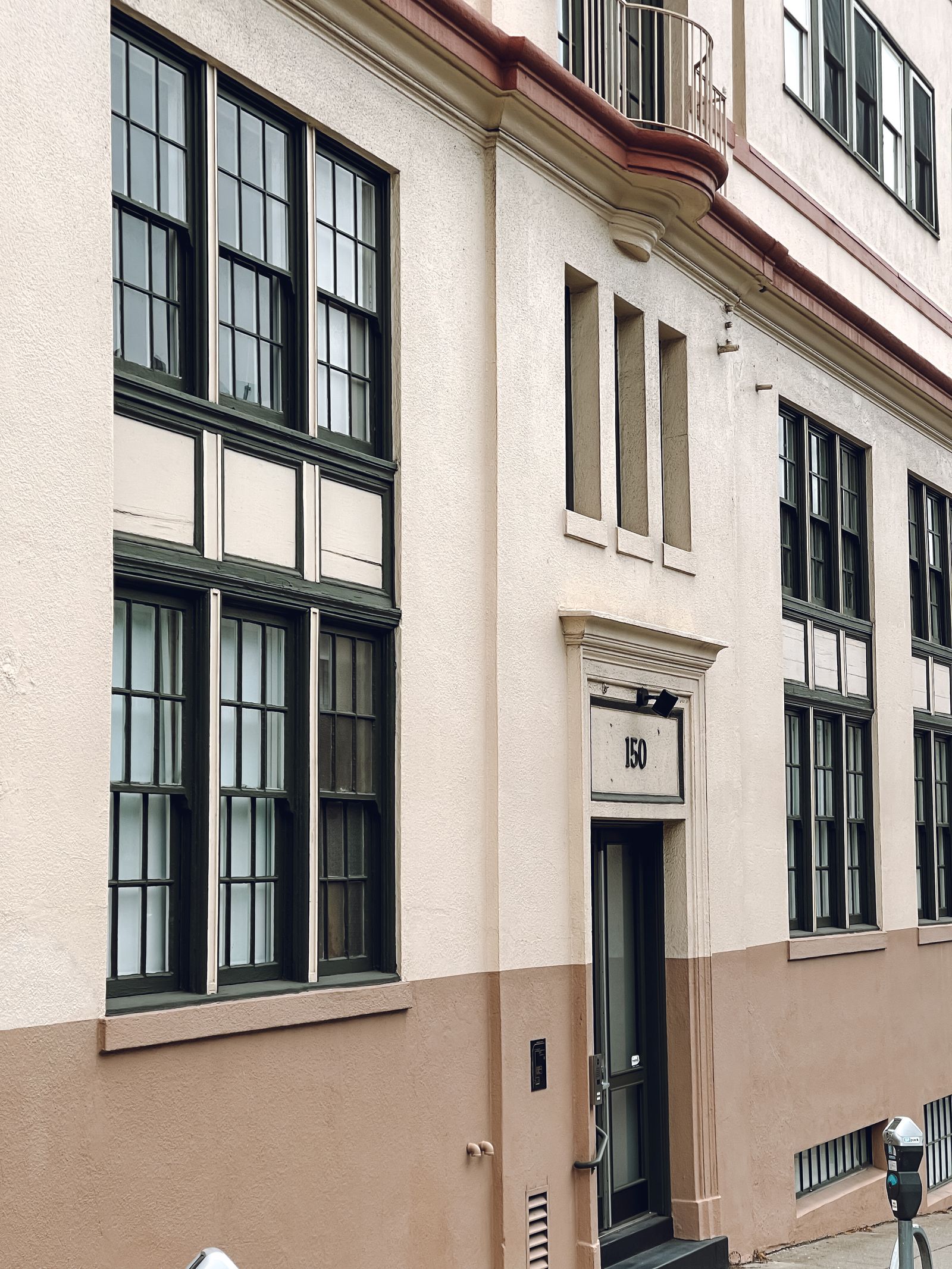
Corpus Christi commercial properties commonly combine brick and mortar, stucco, EIFS, precast or tilt-up concrete, painted metal, insulated panels, stone veneer, storefront glass, canopies, signs, and rooftop screens. A downtown office may have masonry, glazing, sidewalks, and public entrances. A hotel near the bay may add balconies, pool areas, porte-cochere surfaces, salt exposure, and guest traffic. A refinery-support, logistics, or port-area property may include tall panels, loading docks, service yards, bollards, pipe racks, and equipment that cannot be casually sprayed. Each zone can require different chemistry, dwell time, rinse control, protection, and access.
Soft washing may fit compatible organic growth, pollen, salt-laden atmospheric film, bird residue, and ordinary surface soil after the substrate is inspected and tested. It cannot repair cracked stucco, open mortar, failed sealants, spalled concrete, corroded metal, loose coatings, damaged glass, or an active roof leak. A dark vertical line below a parapet may be runoff or a failed detail; a white crust may be mineral or salt; a dull metal panel may be oxidation. The proposal should distinguish routine washing from mineral treatment, corrosion work, restoration, coating, repair, and building-envelope investigation.
- Separate brick, mortar, stucco, EIFS, concrete, glass, metal, coatings, sealants, and signage before selecting a method.
- Identify salt film, algae, mildew, bird residue, traffic grime, minerals, oxidation, and roof-edge runoff rather than calling every stain dirt.
- Define whether the priority is a main entrance, guest-facing elevation, industrial wall, tenant frontage, or full property cycle.
- Keep repairs, leak diagnosis, corrosion treatment, restoration, and specialty glass work outside routine soft washing.
Build the work window around Corpus Christi corridors and uses
Downtown Corpus Christi, the Shoreline Boulevard and Ocean Drive corridors, Uptown, and the area around the Convention Center place cleaning beside sidewalks, restaurants, offices, events, hotels, and public waterfront activity. The South Side, including districts around Staples Street, Saratoga Boulevard, and the expanding medical and retail corridors, brings larger parking fields, clinics, schools, offices, and busy customer entrances. North Beach, Padre Island, Flour Bluff, and the airport area add hospitality, seasonal visitors, wind exposure, bridges, narrow approaches, and property-specific staging. Northside industrial districts and the Port of Corpus Christi area bring terminals, warehouses, energy support, truck courts, security gates, and equipment protection. The neighborhood gives context; the exact address controls the scope.
Before scheduling, map guest and employee doors, accessible routes, fire lanes, delivery lanes, loading docks, parking aisles, security checkpoints, outdoor dining, pool decks, air intakes, roof access, and areas that must remain open. A hotel may need elevations divided around arrivals, conferences, breakfast, pool use, and housekeeping. A medical or healthcare property needs coordination around patients, clinical entrances, drop-offs, and emergency access. A port or energy-related site may require owner safety orientation, escorts, restricted zones, hot-work or process rules, equipment isolation, and a controlled truck window. A school or university needs a plan around students, buses, staff, events, and campus safeguards. Phased work is often more practical than closing every frontage at once.
Treat salt, humidity, heat, rain, and storms as maintenance inputs
Gulf air can leave a fine salt film on glass, painted panels, metal trim, signs, railings, and horizontal ledges. Humidity and shaded moisture can support algae or mildew on masonry, stucco, concrete, and canopies. Heat and intense sun can expose chalking, fading, sealant aging, and uneven dry-down after soil is removed. Wind-driven rain can push residue into window frames, soffits, parapets, and recessed joints. A drain, parapet, flashing, irrigation line, condensation discharge, or failed sealant can create a recurring stripe that washing alone cannot prevent.
Storm planning matters on a coastal property. Wind can change the application path, move overspray toward vehicles or neighboring property, and make a drone-assisted plan unsuitable. Lightning, heavy rain, reduced visibility, standing water, and rapidly changing conditions can affect safe access and handback. A wet sidewalk near a hotel, an entrance by a clinic, a loading area, or a bridge approach can become a slip concern. Confirm wind, lightning, rain, temperature, surface moisture, visibility, drainage, and the forecast before and during production. If the site cannot be controlled, pause or reschedule rather than forcing the window.
Recurring marks are useful facility information. Cleaning may improve appearance while the owner separately corrects a roof edge, drain, flashing, joint, irrigation head, or grading problem. A maintenance cadence should follow exposure, resoiling, storm activity, salt deposition, humidity, events, and property use. A Gulf-facing hotel and a protected inland office should not automatically receive the same interval.
Use drone assistance only when the address supports it
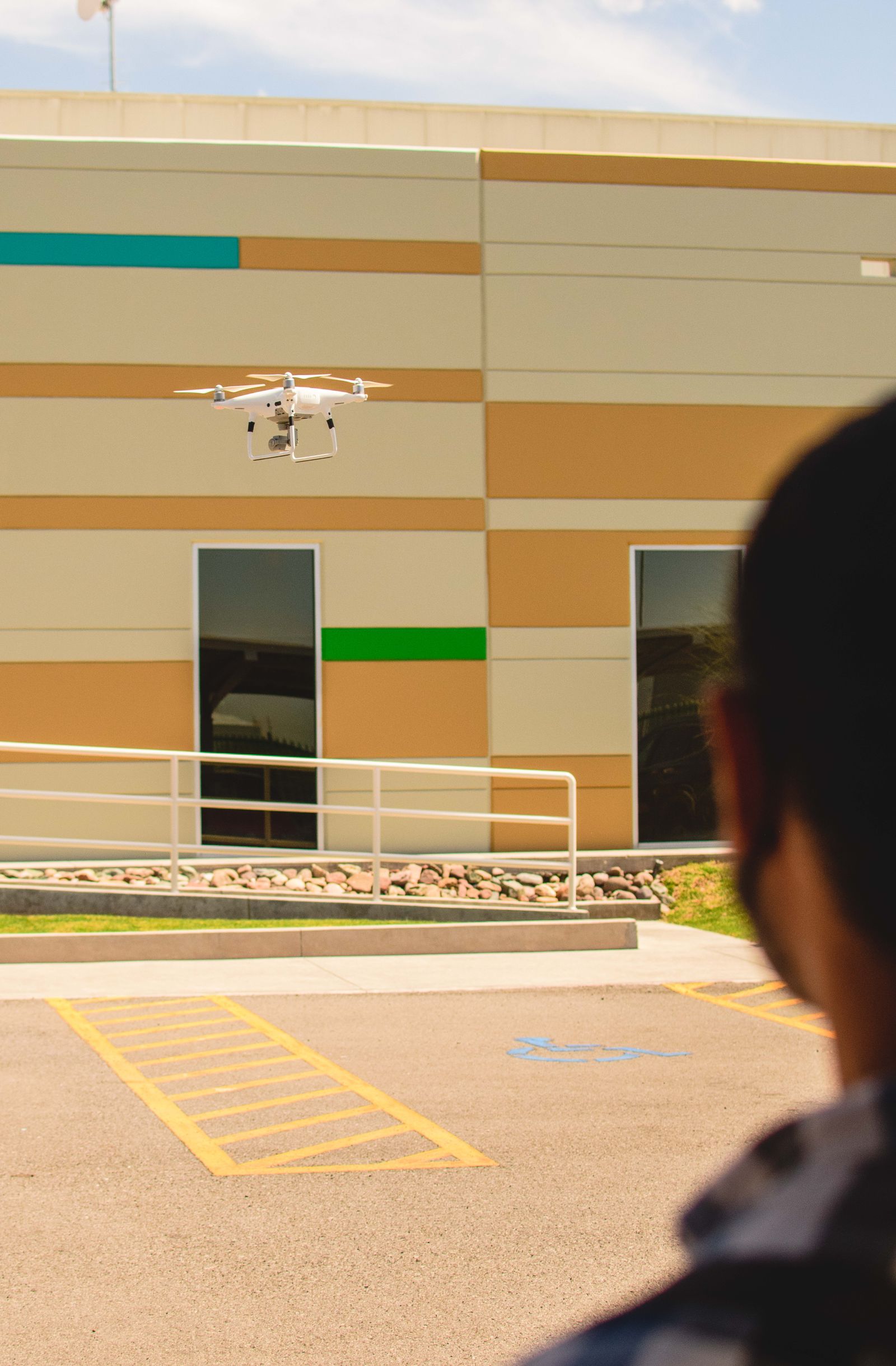
Drone-assisted application or rinsing can be considered for a broad, compatible upper wall at a hotel, office, warehouse, energy-support building, or multi-story facility when stand-off distance, visual control, launch and recovery space, wind, airspace, hose routing, and the protected ground zone are workable. It may reduce repeated lift moves across compatible panels, parapets, ledges, and sign bands. The aircraft is an access and delivery tool, not a substitute for hand-cleaned glass, squeegee work, scraping, bonded-deposit removal, or close inspection. Chemistry, dwell, rinse, substrate condition, weather, and the requested finish still control the result.
Corpus Christi sites may include bridges, overhead utilities, cranes, tall signs, antennas, active roads, airport-adjacent operations, port security, neighboring tenants, and people moving through narrow public areas. Commercial operators must follow applicable Federal Aviation Administration requirements; owner permission does not replace aviation rules or required authorization. If wind changes the spray path, the ground zone cannot be controlled, or people, vehicles, wires, equipment, and adjacent property cannot be protected, a pole, lift, roof-access, hand-detail, hybrid, or rescheduled approach may fit better.
Contact work remains important at entrance glass, frames, recessed details, mineral deposits, canopies, signs, and sensitive finishes. A practical Corpus Christi scope might use drone-assisted rinsing on a broad upper wall, a water-fed pole on selected glazing, and hand work around a porte-cochere, dock entrance, canopy, or stone feature. The access choice should follow the finish and operating constraints, not the novelty of the equipment.
Protect guests, patients, crews, equipment, and water paths
Before water or chemistry is applied, locate sidewalks, accessible routes, doors, air intakes, cameras, signs, lighting, vehicles, patios, landscaping, catch basins, low points, hose crossings, and neighboring property lines. A hotel needs guest-facing paths, valet movement, pool areas, and landscaping protected. A healthcare property may require facilities, security, patient, and emergency-access coordination. A port, energy, or warehouse site may have sensitive equipment, active truck courts, process restrictions, and limited staging. A school or university needs a controlled boundary around students and events. On a ramp, sidewalk, service drive, or loading lane, a hose or rinse path can create a trip or slip hazard away from the wall being cleaned.
Water management belongs in the scope before rinsing starts. Coastal Bend properties may move flow toward a curb inlet, planted area, parking-lot low point, detention feature, process drain, canal, bay-adjacent edge, or neighboring parcel. The closest inlet is not automatic permission to discharge there. Review the product, soil load, rinse volume, slope, tide or storm conditions where relevant, and the actual path water will travel. Depending on the job, the plan may require diversion, recovery, filtration, reduced rinse volume, plant protection, disposal, or confirmation from the responsible authority. Record assumptions and the response if field conditions differ.
- Locate drains, low points, slopes, landscaping, doors, air intakes, equipment, vehicles, and public routes.
- Coordinate with guests, patients, tenants, employees, students, drivers, deliveries, security, events, and emergency access.
- Set pause triggers for lightning, wind, rain, visibility, heat, storm conditions, changed drainage, and uncontrolled public movement.
- Photograph completed elevations and note stains, repairs, corrosion, or specialty work left outside the cleaning scope.
Request a Corpus Christi quote built around the property outcome
A useful Corpus Christi proposal maps each service zone, notes the substrate and visible residue, states the intended finish, and spells out access, protection, water assumptions, weather limits, operating windows, exclusions, and closeout records. It should separate broad facade washing from detailed glass work, mineral or salt treatment, oxidation, construction residue, graffiti, corrosion, coating work, masonry repair, and envelope investigation. Where aerial assistance is considered, the scope should name the elevations and the launch, wind, airspace, visual-control, and ground-management conditions required before work begins.
Send the Corpus Christi address, wide and close photographs, approximate height, priority elevations, known materials, visible concerns, preferred dates, water access, drainage information, tenant, guest, patient, production, security, school, or event restrictions, and any prior repair notes. Include truck traffic, parking limits, restricted areas, port or facility orientation requirements, and delivery schedules. Those details help determine whether a remote review, site visit, test area, or hybrid access plan should come next. We can quote a one-time appearance improvement, a phased priority cleaning, or recurring maintenance around the way the building actually operates.
Drone Building Cleaners helps Corpus Christi property teams evaluate hotels, offices, medical buildings, schools, university facilities, retail centers, warehouses, port and energy-support properties, garages, and mixed-use buildings. Call +1 239-351-2897, email contact@dronebuildingcleaners.com, or submit the quote form with the building details. We will explain what can be cleaned, which access method fits, what may remain, and what should be referred to another professional before work is scheduled.